
FALL 2026 WEBINAR SERIES
The Multiplier: Vocabulary Instruction
That Actually Moves Comprehension in
Grades 4–12
A TWO-PART FREE WEBINAR SERIES
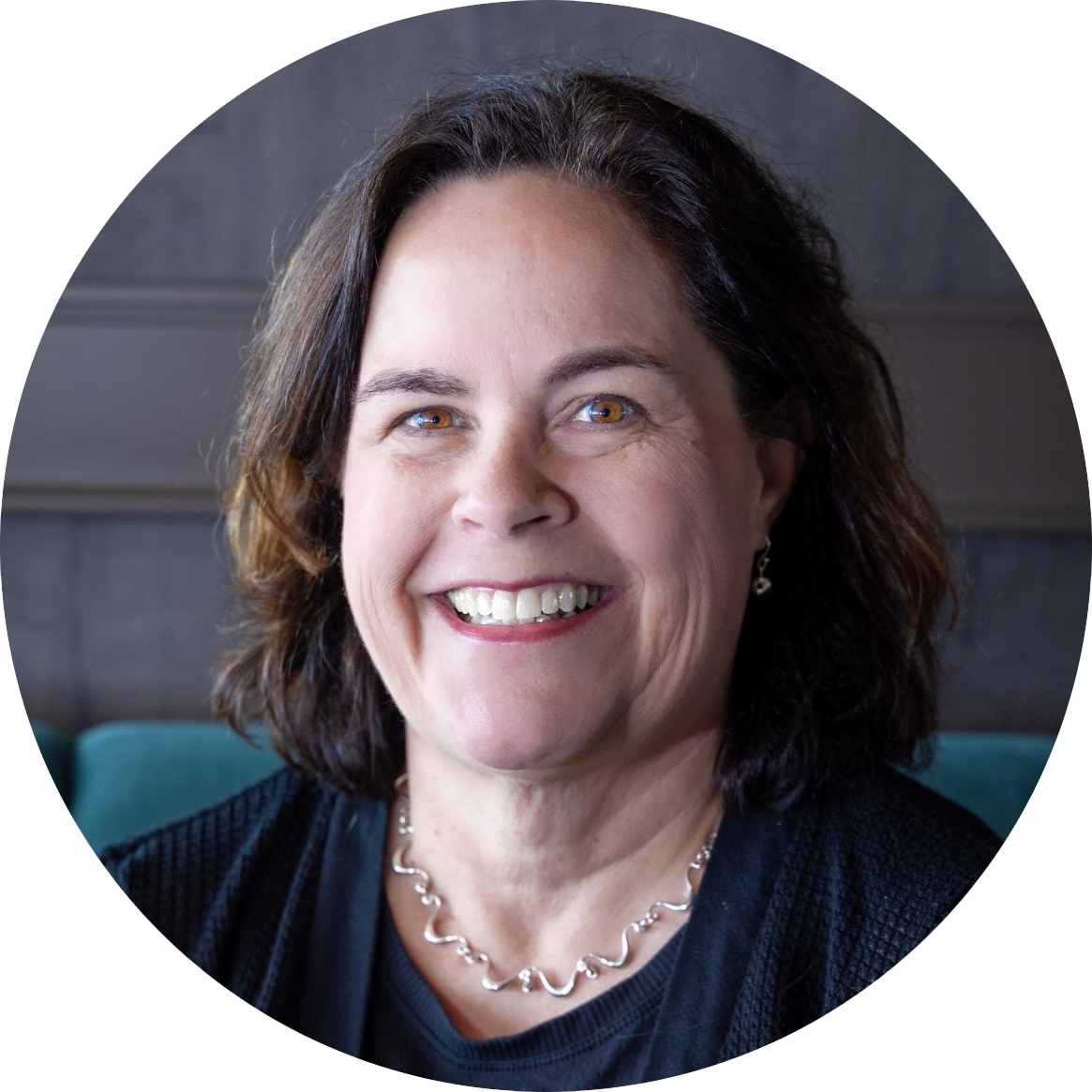
with Katherine S. McKnight, Ph.D. & Jenny French, Ed.D.
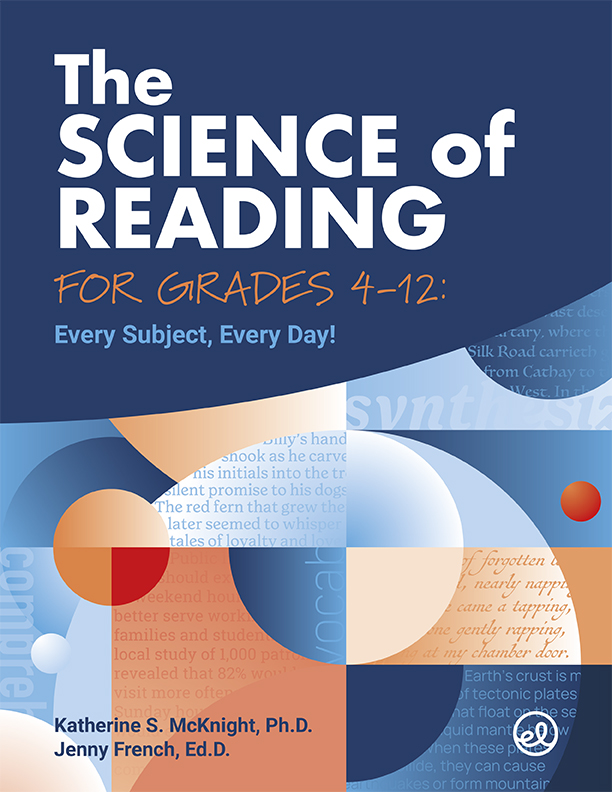
Based on their book The Science of Reading for Grades 4–12: Every Subject, Every Day!
Intentional Vocabulary Instruction
Almost 70% of secondary students are not reading on grade level — and for most of them, the breakdown isn’t always decoding. It’s language comprehension, and vocabulary sits at the center of it. This two-part series gives content-area teachers in grades 4–12 a research-backed, classroom-tested approach to vocabulary that takes minutes, not periods. Session 1 delivers the explicit instructional routine and the strategy toolkit. Session 2 goes deeper into Greek and Latin roots — the single highest-leverage move in secondary vocabulary instruction.
Come to one session or come to both.
Walk out with something you can use tomorrow.
Recommended Audience: Grades 4–12 teachers in ELA, science, social studies, math, CTE, and electives; instructional coaches; MLL/EL specialists; interventionists; curriculum and literacy leaders.
The time doesn’t work with your schedule? Register anyway! A link to the recording will be available to those who register.
Both Fall 2026 webinars will be held on Zoom. Enrolled educators need an active email address, internet connection, and a device with video and sound capabilities. Most operating systems and browsers are supported; for the best experience, the latest version of Google Chrome, Mozilla Firefox, or Chromium Edge is recommended.
OCTOBER 28, 2026 | 5:00 PM ET
Words Do the Heavy Lifting: Teaching Vocabulary with Intention
SESSION 1
You’ve watched it happen. A student reads photosynthesis out loud perfectly — and has no idea what it means. That’s not a decoding problem. That’s a vocabulary problem, and in grades 4–12 it’s the single biggest driver of what looks like "poor comprehension."
The Simple View of Reading is a multiplication equation: word recognition × language comprehension = reading comprehension. Strength in one cannot compensate for weakness in the other. When vocabulary is weak, comprehension doesn’t get smaller. It goes to zero.
In this 60-minute session, Katie McKnight and Jen French show content-area teachers exactly how to teach vocabulary on purpose — in five to seven minutes, with no graphic organizer, no copying, and no Friday quiz. You’ll see the five-step explicit routine modeled live, learn how to choose the 5–7 words that actually matter in your unit, and leave with a toolkit of before-, during-, and after-reading strategies drawn from The Science of Reading for Grades 4–12: Every Subject, Every Day!
ELA, science, social studies, math, CTE, and elective teachers will find this immediately usable. Vocabulary is the shared work of every classroom, and the routine is the same in all of them.
60 minutes, virtual, live Q&A included. Handout and template links provided.
Participants will receive a certificate documenting 1 hour of professional development upon request.
NOVEMBER 9, 2026 | 5:00 PM ET
Crack the Code: How Greek and Latin Roots Unlock Thousands of Words
SESSION 2
Here’s the math that should change how you teach vocabulary. About 60% of English words trace back to Latin or Greek — and in advanced academic language, the kind students meet in science, medicine, history, and law, that number climbs to 80–90%.
Which means when you teach rupt, you’re not teaching one word. You’re handing students erupt, eruption, disrupt, interrupt, rupture, abrupt, corrupt, and bankrupt. When you teach spect, you’ve opened inspect, spectator, perspective, retrospect, and conspicuous. Morphology is the closest thing secondary literacy has to a shortcut.
In this 60-minute session, you’ll learn Morpheme Mapping — the visual, right-to-left routine that lets students build a definition from word parts instead of memorizing one. You’ll get the pronunciation guide that makes technical vocabulary sayable (and therefore learnable), especially for multilingual learners. And you’ll build a starter set of 8–10 roots that carry the weight in your discipline.
60 minutes. Bring a unit you teach. You’ll leave with the roots inside it, a four-week rollout plan, and a routine that compounds: every root you teach makes the next text easier.
Participants will receive a certificate documenting 1 hour of professional development upon request.
Bring the presenters to your school, district or conference.
Whether you’re looking for district-wide professional development, a dynamic keynote speaker, a one-day workshop, or long-term coaching, PD with Dr. Katie McKnight and Dr. Jenny French empowers you and your team improve grade 4-12 literacy. Click here to learn more or reach out to schedule a free, no-obligation consultation.